|
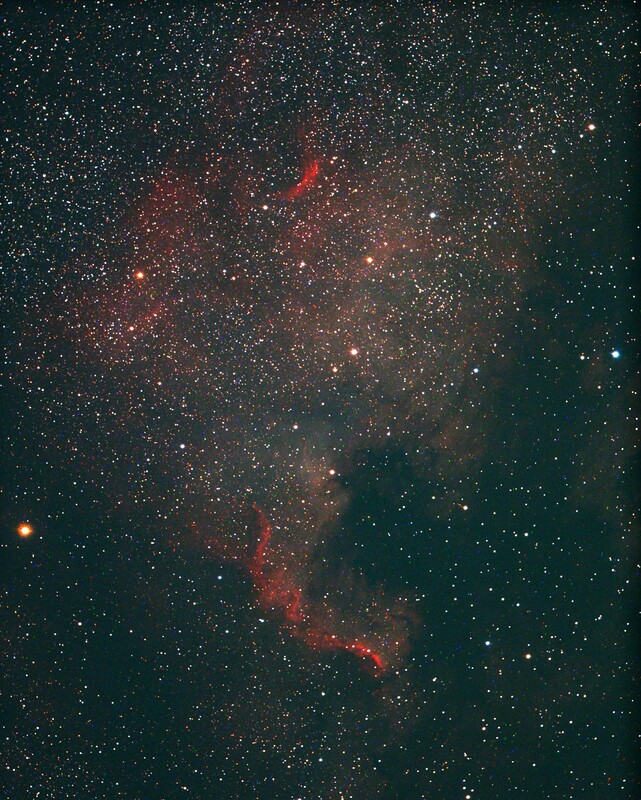
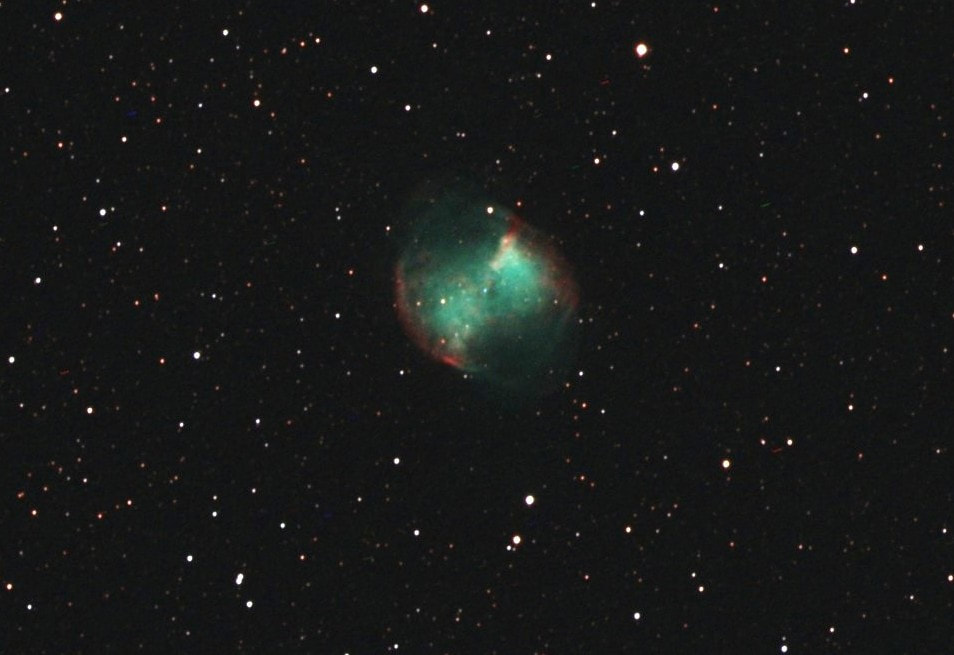
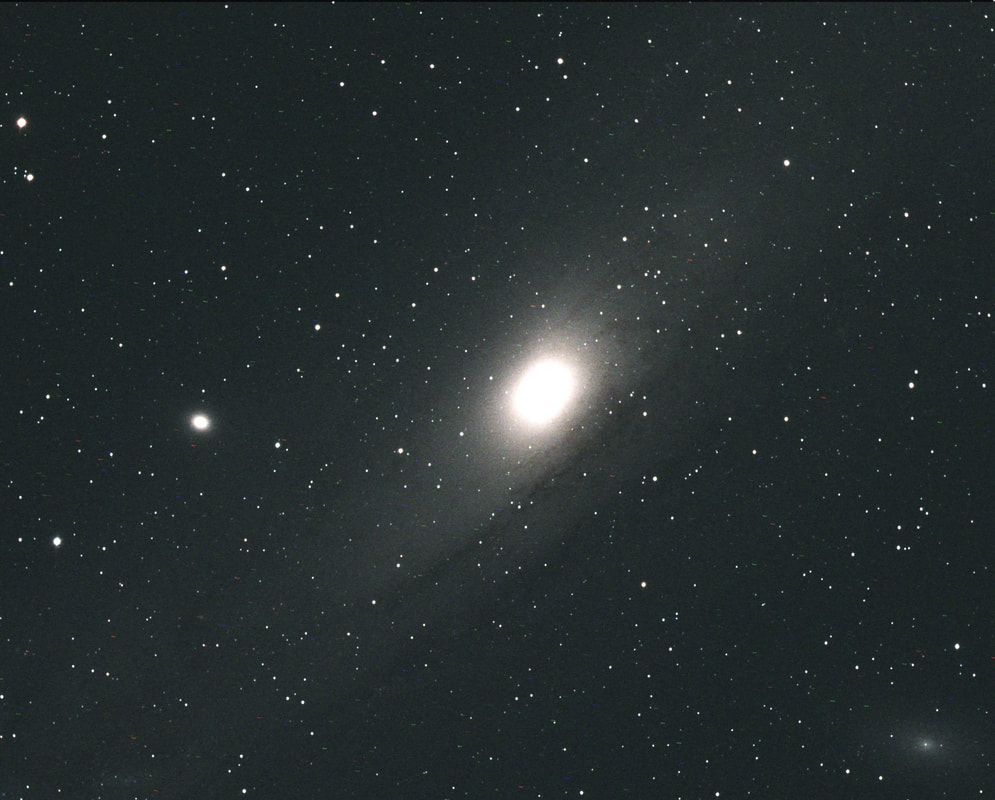
Last night I switched from using my DS8300cTEC to the DS26cTEC which has a big Field Of View and lots of pixels! Below is an image I captured of the North America Nebula (NGC7000) with the DS26cTEC on my Celestron RASA 8 telescope using the camera's full FOV. Due to the size of the file (16.6 MB), the live screen updates are slower when using its native resolution and full FOV. For large nebula like this I have found switching to Bin2x2 results in much faster updates due to a smaller file size, increased sensitivity and shorter exposure times. (Note: I used my live post processing (lpp) technique with MS Photo Viewer right after capturing the image to be able to quickly enhance it and make the file smaller for posting on the web). For smaller targets I use the Region of Interest (ROI) to “live crop” the image in real time which produces much faster updates and stacking using its native resolution since it only transfers the ROI pixel area to the computer. Below is the Dumbbell Nebula (M27) that I viewed last night in this manner (and used lpp to enhance the image). I didn’t have a lot of time due to some clouds beginning to come in. My last image before shutting down is the Andromeda Galaxy (M27) using ROI for faster updates using the native resolution but less than the full FOV (and again used lpp to enhance it). I enjoyed using the DS26cTEC again with its BIG field of view and pixels!
0 Comments
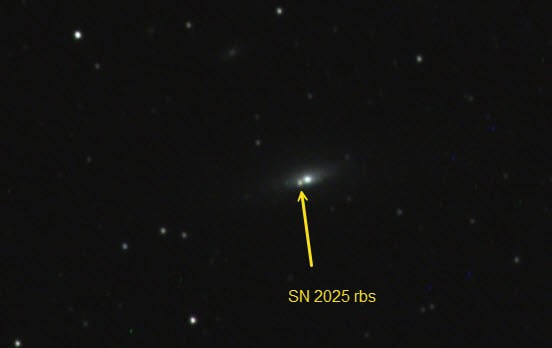
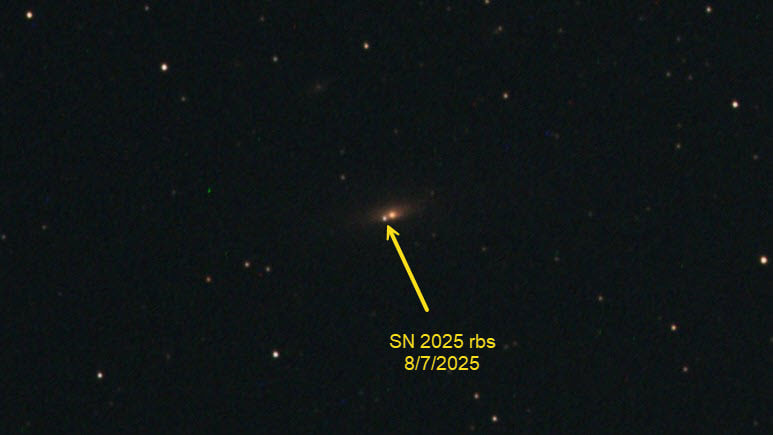
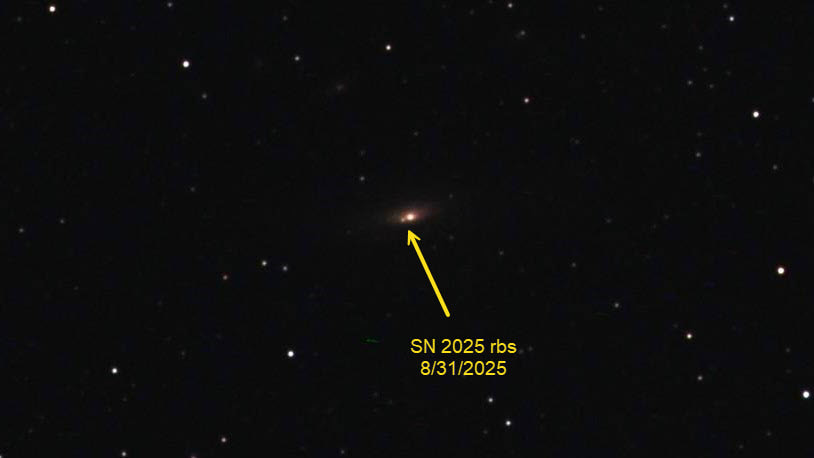
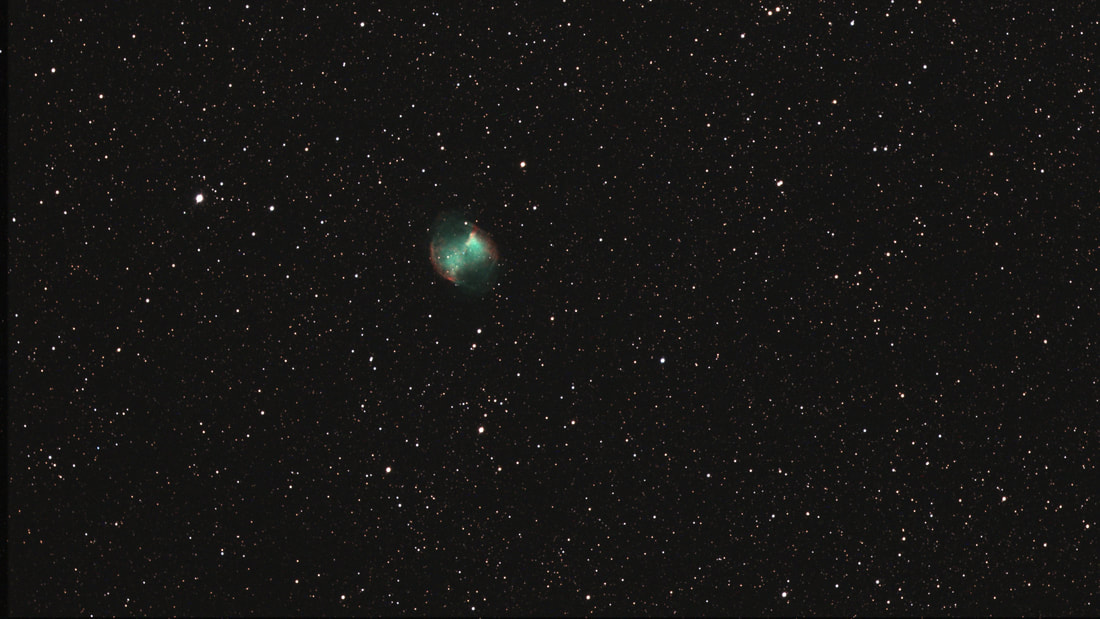
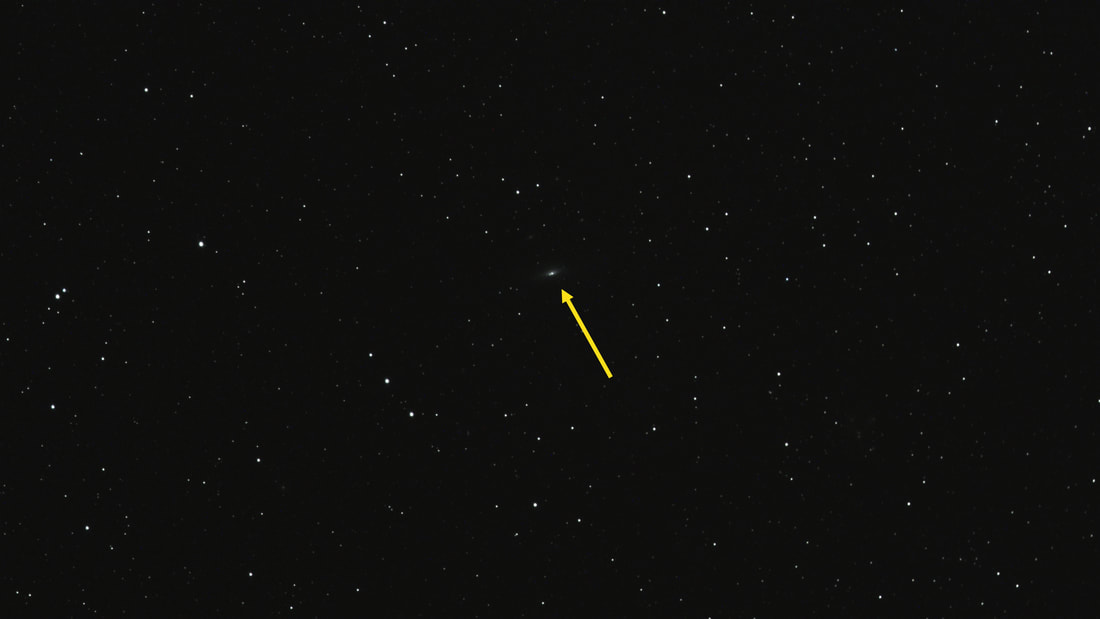
How do you find a Supernova? As with most things in Astronomy, knowing where to look and what to look for is essential. I learned about the new Supernova SN2025rbs in galaxy NGC7331 on the MallinCam user group. This summer started out wet and cloudy…and stayed that way for a long while. On 8/3 I finally had a clear night and decided try to see this new supernova in galaxy NGC7331. This galaxy is 50 million light-years away, so the explosion of a star in that galaxy that created the supernova happened a very long time ago in a galaxy far far away. Light from this supernova was seen in telescopes on Earth recently as the light from the supernova finally arrived at our home planet ... 50 million years later! My thanks go to Jack Huerkamp and Steve Zuhoski who posted their images in the MallinCam group on 7/29 that gave me a clear idea of what to look for after I slewed my telescope to NCG7331. My Celestron RASA8 telescope was set up with a MallinCam DS8300c video astronomy camera and a PP 642IR Band Pass Filter, so I knew it would be a wide field of view and limited detail in black and white. I did see the supernova though! I accumulated twenty 5 second exposures stacked in MallinCamSky with no post processing (20x5=100 seconds of exposure). Here is the image of the resulting full field of view with an arrow pointing to the galaxy. Yes, the galaxy is very tiny in this image. Below is a zoomed (cropped) view from the above image. Although the image is still small, you can see the supernova to the left of the bright core of the galaxy. For a short period of time the supernova can be nearly as bright as the core of the galaxy. On 8/7 I took another look at the supernova in galaxy NGC7331 this time using an Antlia Quad Band filter to check it out in color. I could definitely detect a difference in the color of the core of the Galaxy and the color of the Supernova as shown below. I finally had another good viewing night on 8/31 and checked it out again and captured the following image. I could still clearly see the Supernova to the left of the core of the galaxy, but it does appear to have diminished in magnitude as expected. Although the RASA8 is certainly not an ideal telescope to view this small image, I was pleased to at least see it and note differences. The Celestron RASA8 telescope with a MallinCam Video Astronomy camera enables me to acquire images in matters of seconds though and see results quickly for live viewing with a wide field of view. Below is the field of view image containing the Dumbbell Nebula I captured on that same night (8/31) by stacking thirty 5 second exposures (30x5 = 150 seconds). That is seeing this 3840x2160 pixel image on the screen after 2.5 minutes of exposure and no post processing! Below is a link to the Astronomy Picture of the Day (APOD) of Supernova 2025rbs with a better detailed image and more information: APOD: 2025 July 31 – Supernova 2025rbs in NGC 7331 |
AuthorAstronomy was my favorite hobby many years ago, but was gradually set aside due to work, family and life in general. In recent years I resumed my hobby looking forward to using the new technology that is now available. Then I discovered Video Astronomy. Then I learned how to do it Remotely. I wrote some books, and decided to set up this web site to continue to pass on what I learn. Categories
All
|
RSS Feed