Telescopes like a RASA or ones with HyperStar installed have the camera at the front rather than at the back of the telescope in order to produce an amazing fast f/2 telescope. This is great for my live video viewing enabling me to use very short exposure times – typically around 5 seconds. The downside of having the camera in front of the corrector plate is the power and USB cables attached to the camera can cause interference diffraction patterns.
I have just installed a Buckeyestargazer cable support on my RASA 8 to eliminate my frustrating star spikes due to the interference caused by camera USB and power cables up front. Here are before and after images of the star Castor that I captured recently using my DS26cTEC on the RASA 8 that illustrate the difference.
I have just installed a Buckeyestargazer cable support on my RASA 8 to eliminate my frustrating star spikes due to the interference caused by camera USB and power cables up front. Here are before and after images of the star Castor that I captured recently using my DS26cTEC on the RASA 8 that illustrate the difference.
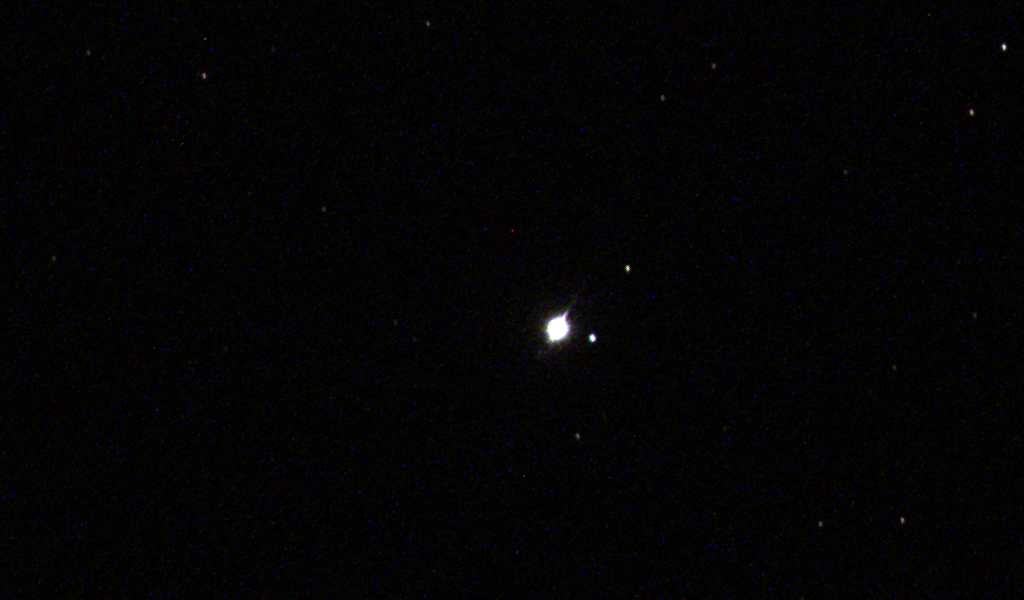
Before: Castor star image with spikes due to using straight power and USB cable paths.
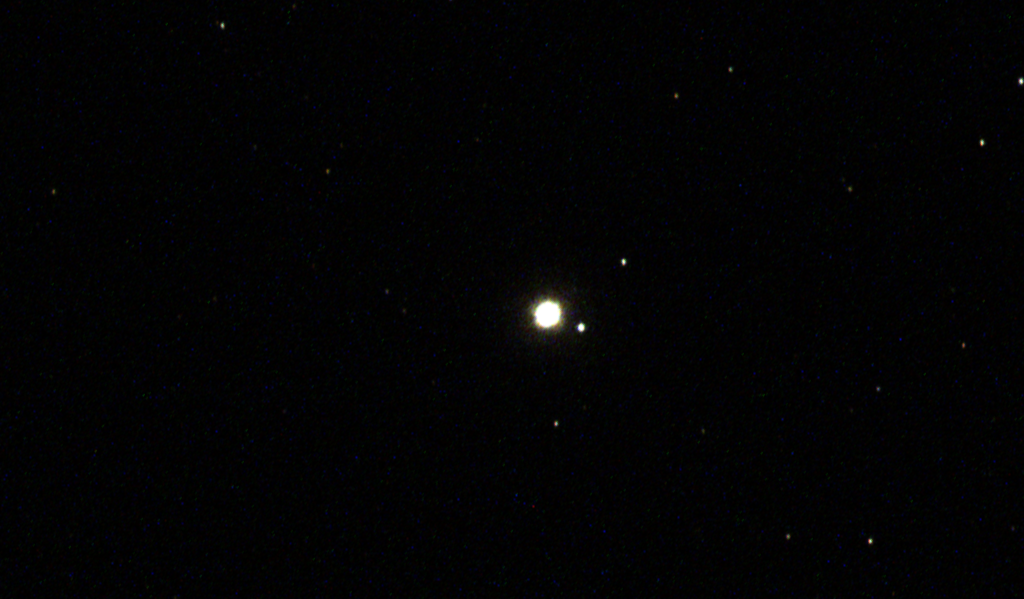
After: Castor image of round star due to using curved power and USB cable paths.
And here are the Pleiades before and after images.
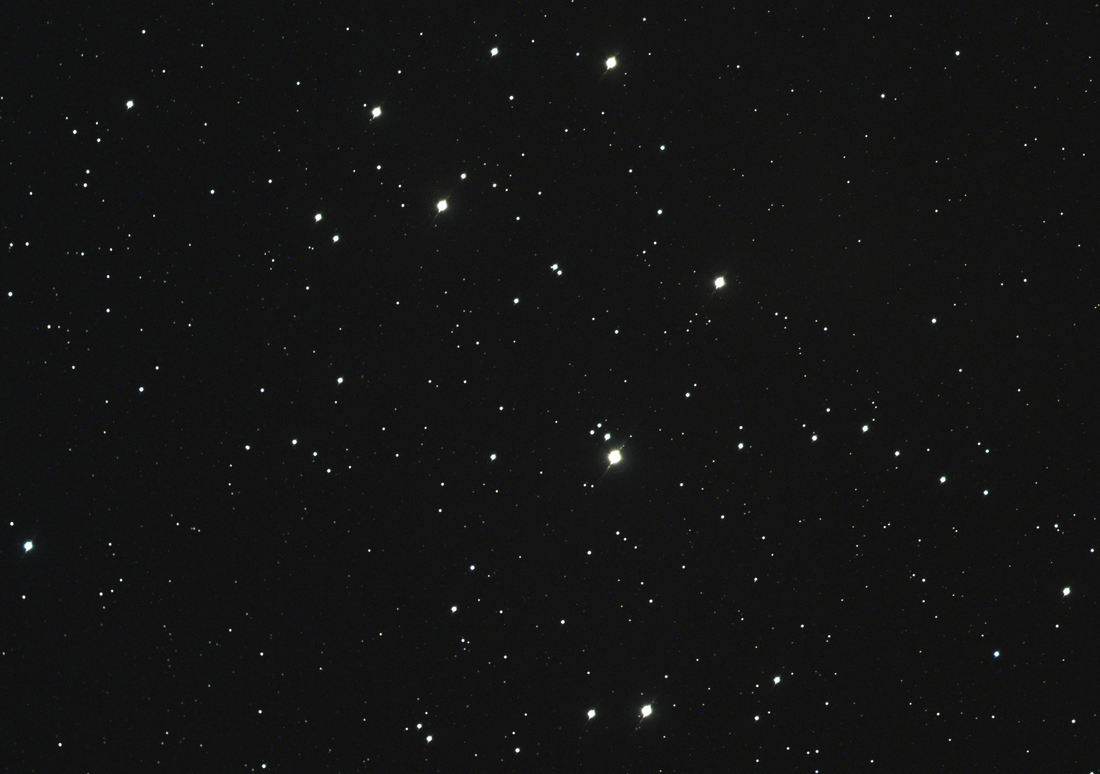
Before: Pleiades image using straight cable paths for power and USB.
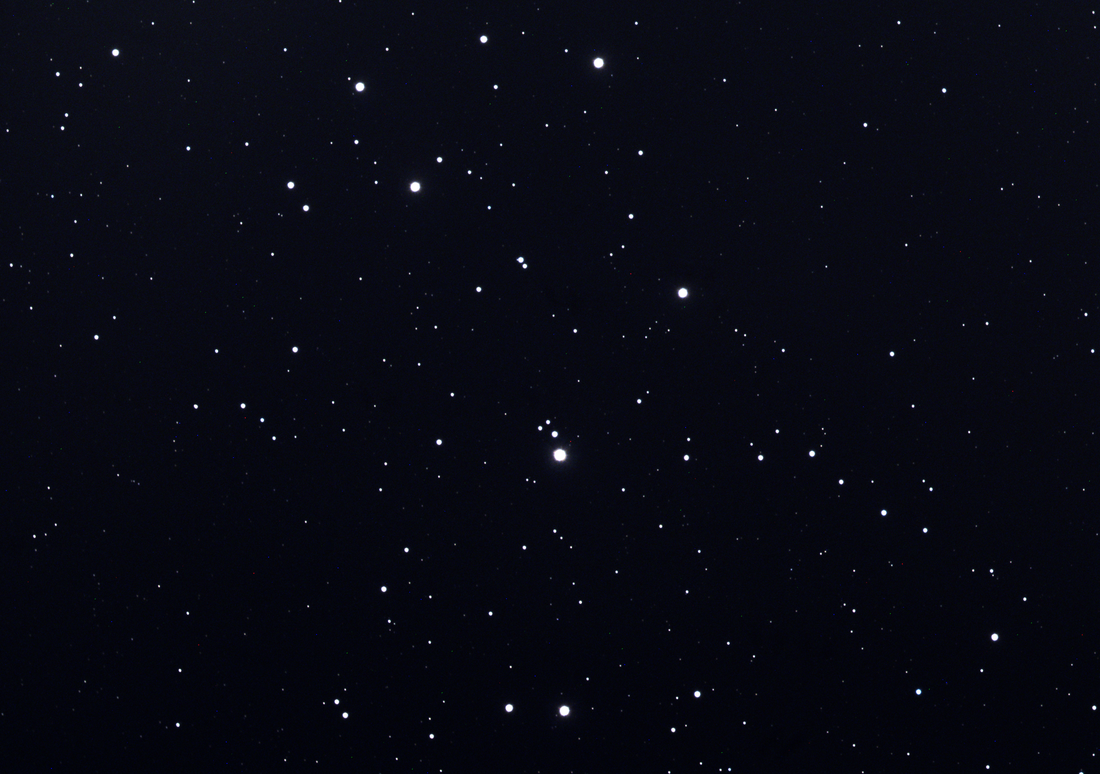
After: Pleiades image using curved cable paths for power and USB.
I mainly use short exposures for “Live Video Astronomy”. These Pleiades images are 5 second exposures of 10-20 stacked images. These were captured from a MallinCam DS26cTEC on my RASA 8 telescope. I was so excited to see round stars using my RASA like what I see when using an f/5 refractor with the camera at the back.
As I noted earlier, the cabling using a HyperStar has the same issues as a RASA. Here is a picture of my attempt in 2022 while in the field with my C8 + HyperStar to at least control the cabling diffraction pattern, but it still had diffraction issues. The clouds in the background make this quite a dramatic picture (reminds me of Ghost Busters)!
As I noted earlier, the cabling using a HyperStar has the same issues as a RASA. Here is a picture of my attempt in 2022 while in the field with my C8 + HyperStar to at least control the cabling diffraction pattern, but it still had diffraction issues. The clouds in the background make this quite a dramatic picture (reminds me of Ghost Busters)!
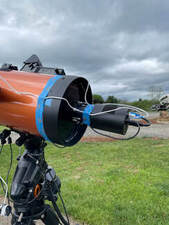
Celestron C8 with HyperStar and camera attached to the
front of the telescope and temporary cable routing test.
front of the telescope and temporary cable routing test.
So, what is the solution that can greatly reduce the diffraction patterns? Much research has been done simulating the diffraction effects of different cable runs from a camera on the front of the telescope. It turns out a simple semicircle routing works well and a $15 semicircle cable support can be used that clamps onto the end of the telescope. I purchased the Cable-RASA8-78mm from Buckeyestargazer.com that is compatible with my MallinCam cameras.
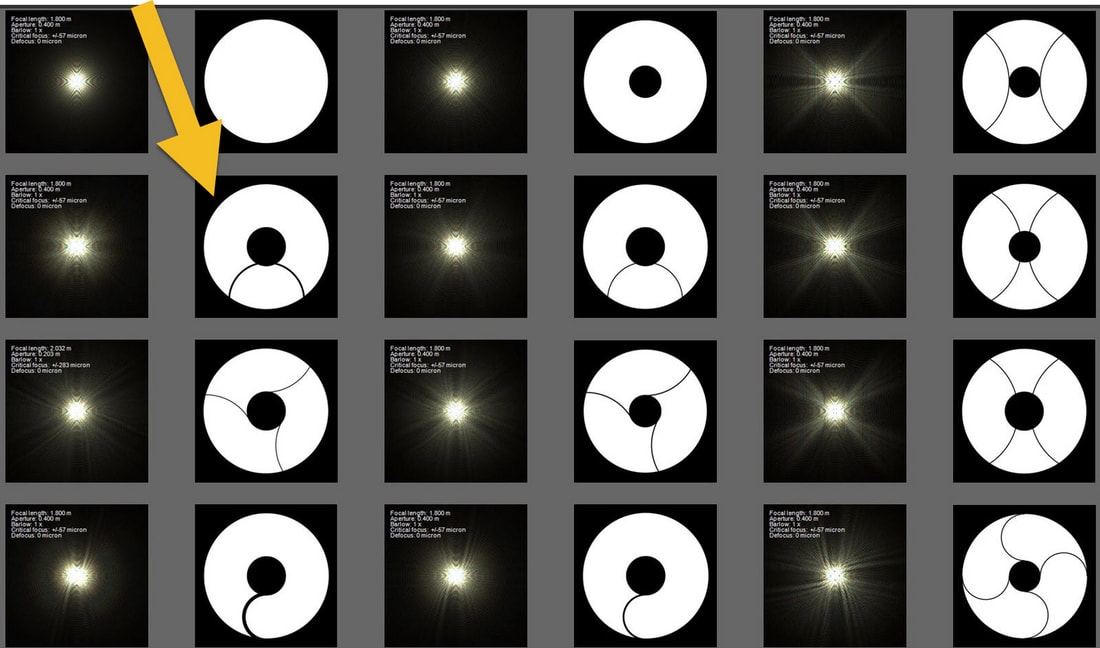 | 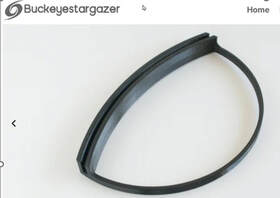 |
All my prior attempts were based on a straight line path across from the camera to the telescope edge. With this simple semicircle cable support you can run the camera power cable on top of one side of the support and the USB cable on top of the other side using wire ties, and it clamps onto the front edge of the telescope.
Here is what it looks like installed on my RASA 8. The larger USB cable goes straight down, then loops to the right curve then back around (see green arrow). The smaller power cable goes straight down, then loops to left to rejoin the USB cable and exit out to the left at the same place my dew heater ring and thermistor cables exit to the left.
Here is what it looks like installed on my RASA 8. The larger USB cable goes straight down, then loops to the right curve then back around (see green arrow). The smaller power cable goes straight down, then loops to left to rejoin the USB cable and exit out to the left at the same place my dew heater ring and thermistor cables exit to the left.
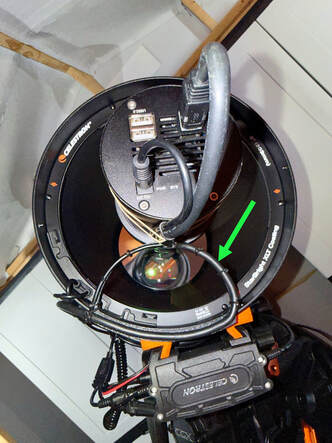
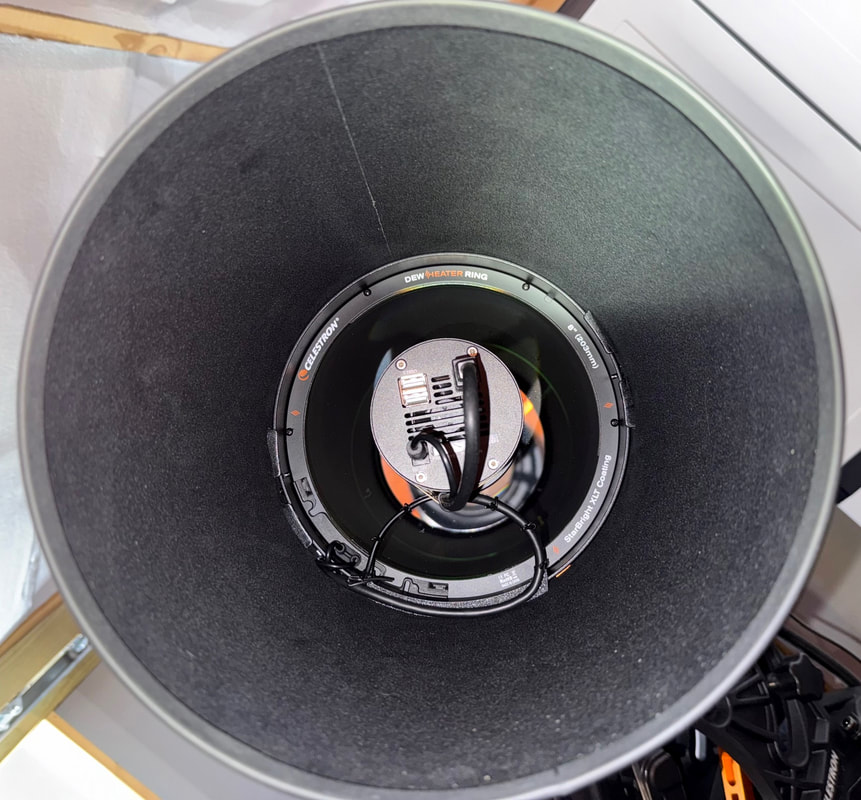
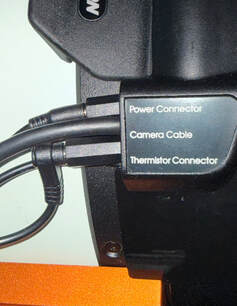
I use an Aluminum dew shield with my RASA and was concerned I might have trouble putting it on with the ring in place. I chose a position to clamp the ring in place so that all the cables exit together out the side port of the dew shield. Here is a picture looking at the setup with the dew shield in place that shows how the 4 cables all exit together out the side port of the dew shield. I just line up the bottom cutout of the dew shield that goes over the rail, and it snaps in place just fine over the clamp of the ring.
 |  |
I had wondered how hard it would be to swap cameras with this cabling system in place. Answer … it's very easy. After taking off the dew shield, I just unplugged the camera power and USB, unscrewed the DS26cTEC and screwed my DS8300cTEC in its place. I plugged camera power and USB back in and put the aluminum dew shield back on and it worked just fine.
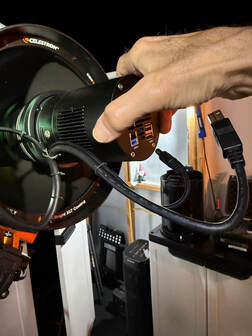
Ok so far. Now that I am about to be getting past the “pollen” season where I live, I was ready to clean off my corrector plate. How hard was that going to be? Answer…no problem. Again, I unplugged the camera power and USB, left the camera in place, and pulled the cable ring up off the edge of the front of the telescope and let the cables support it.
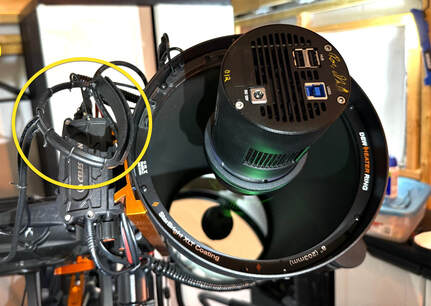
Then I had full access to the corrector plate and proceeded to clean it. When done, I just moved the cable ring back into the same place and pushed it back down onto the front edge of the telescope, reconnected the camera power and USB, put the dew shied back on and I was ready to go again.
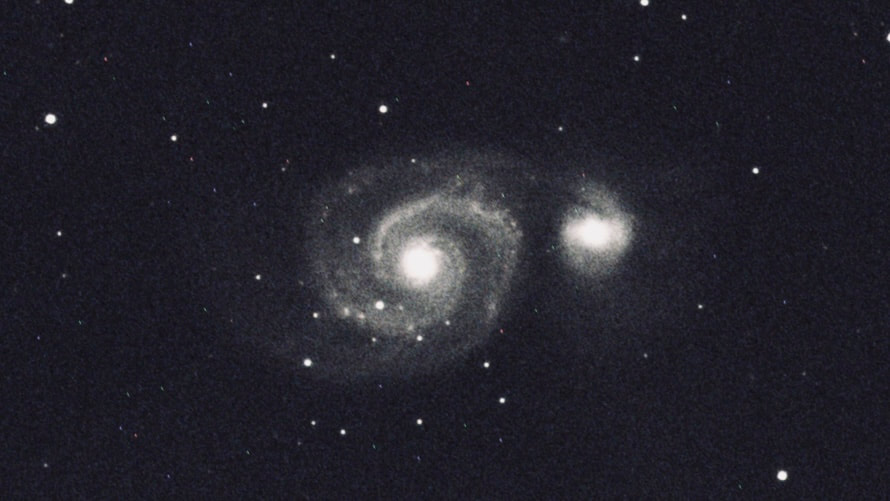
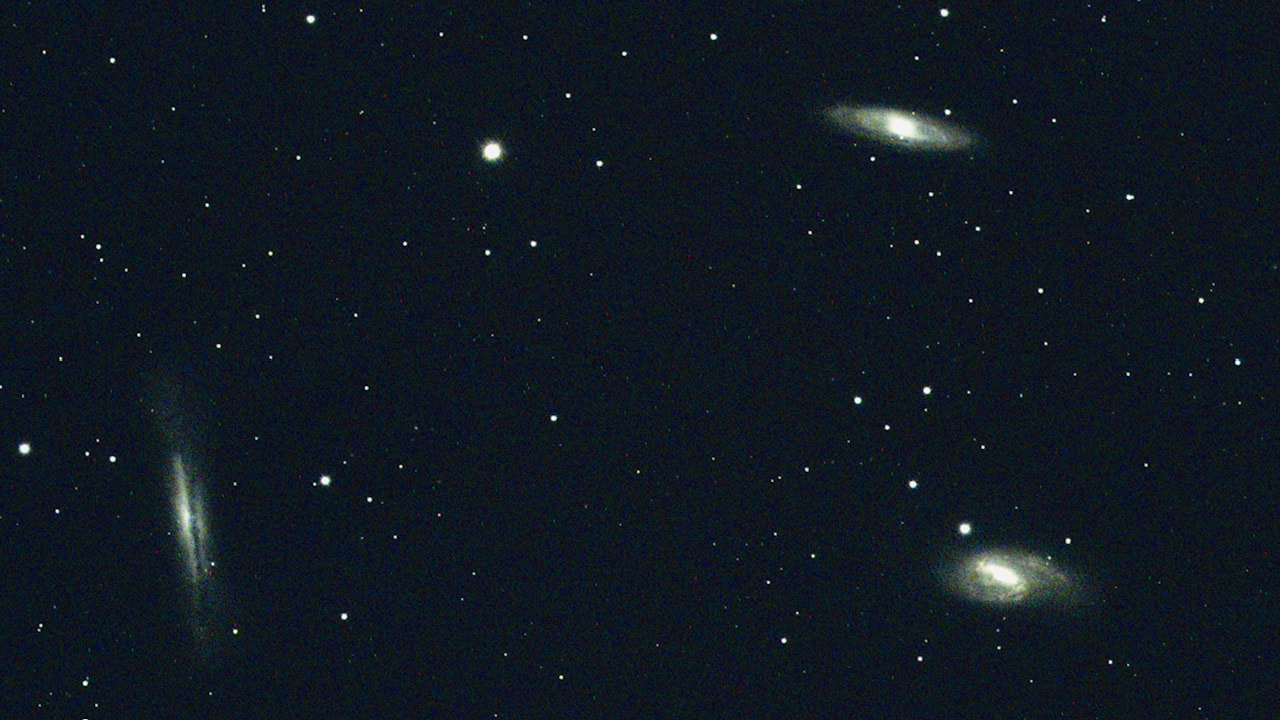
I understand it may reduce some contrast when using a curved cable ring, but I really like round stars! Here are three images I captured last night from my Bortle 6 backyard with my DS8300cTEC with this new setup and an Astronomik-PPIR filter using stacked 5 second exposures. The images to the left are the full field of view as seen on my screen live with no post processing. The ones to the right are a zoomed/cropped image of the original with minor brightness & contrast adjustments that I can easily make live.
I understand it may reduce some contrast when using a curved cable ring, but I really like round stars! Here are three images I captured last night from my Bortle 6 backyard with my DS8300cTEC with this new setup and an Astronomik-PPIR filter using stacked 5 second exposures. The images to the left are the full field of view as seen on my screen live with no post processing. The ones to the right are a zoomed/cropped image of the original with minor brightness & contrast adjustments that I can easily make live.
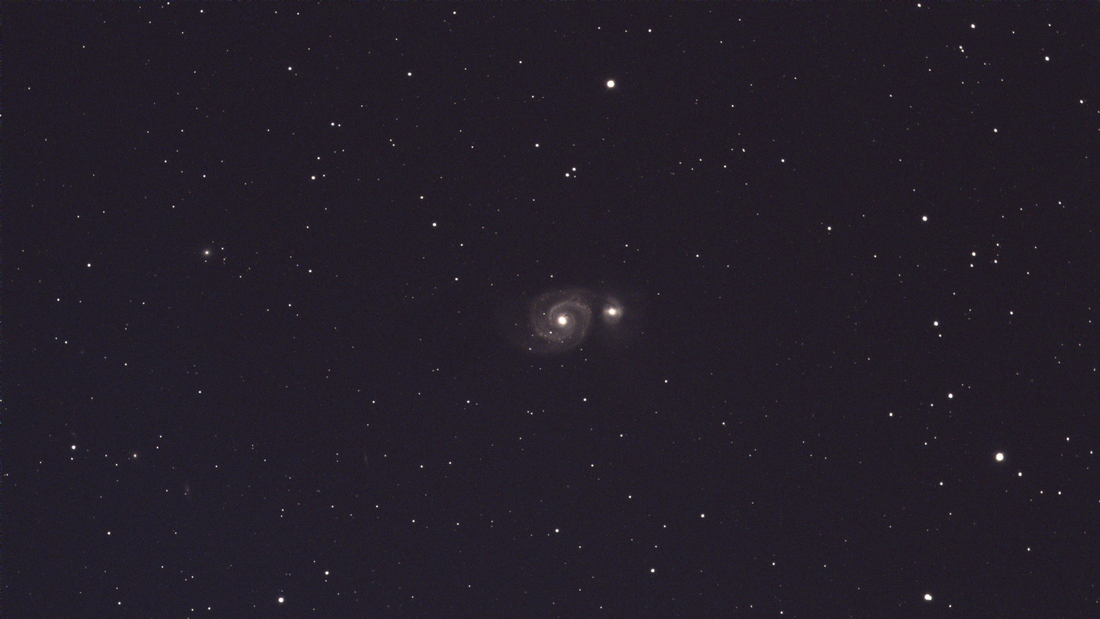 |  |
DS8300c RASA8 - M51 - 5s 60g 30-255h 50stk A-PPIR Filter guiding
Whirlpool Galaxy - M51 - 50 stacked 5 second exposures (50x5=250 seconds)
Whirlpool Galaxy - M51 - 50 stacked 5 second exposures (50x5=250 seconds)
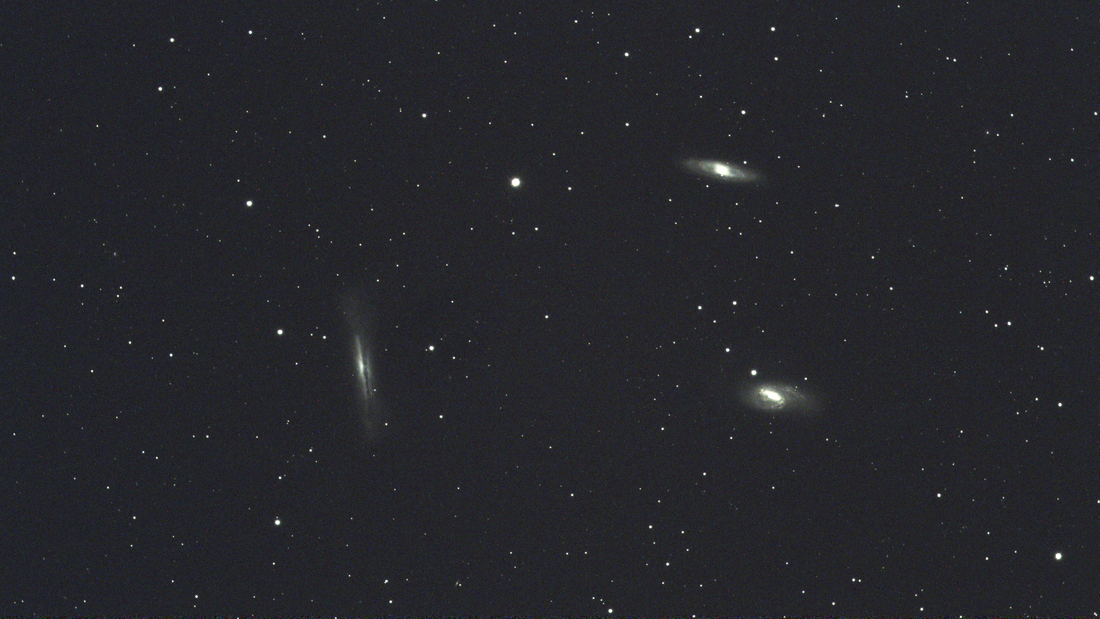 |  |
DS8300c RASA8 - M66 Leo Triplet 5s 60g 38-199h 40stk A-PPIR Filter guiding
Leo Triplet – M66 - 40 stacked 5 second exposures (40x5=200 seconds)
Leo Triplet – M66 - 40 stacked 5 second exposures (40x5=200 seconds)
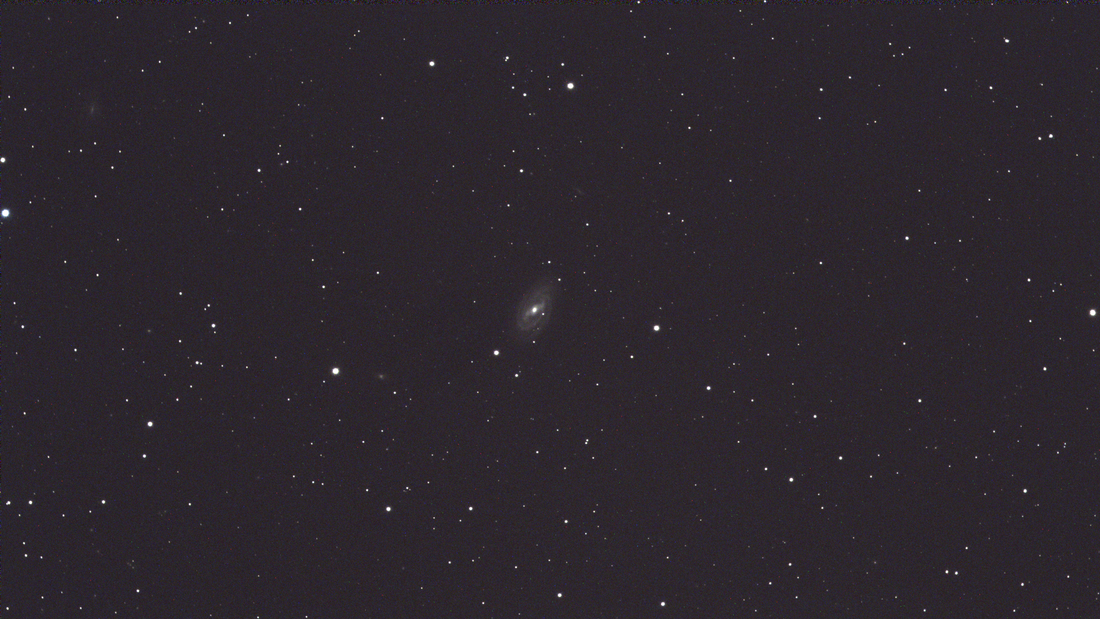 | 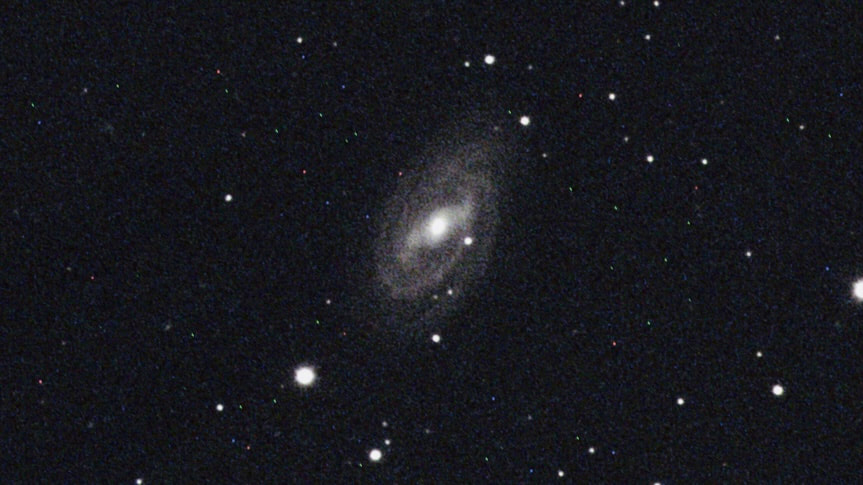 |
DS8300c RASA8 - M109 5s 60g 20-200h 60stk A-PPIR Filter guiding
Barred spiral galaxy – M109 - 60 stacked 5 second images (60x5=300 seconds)
Barred spiral galaxy – M109 - 60 stacked 5 second images (60x5=300 seconds)
For my live video use I’ll stick with this setup. Look at all those round stars!
 RSS Feed